What Is Lot Rent? Mobile Home Park Costs Explained
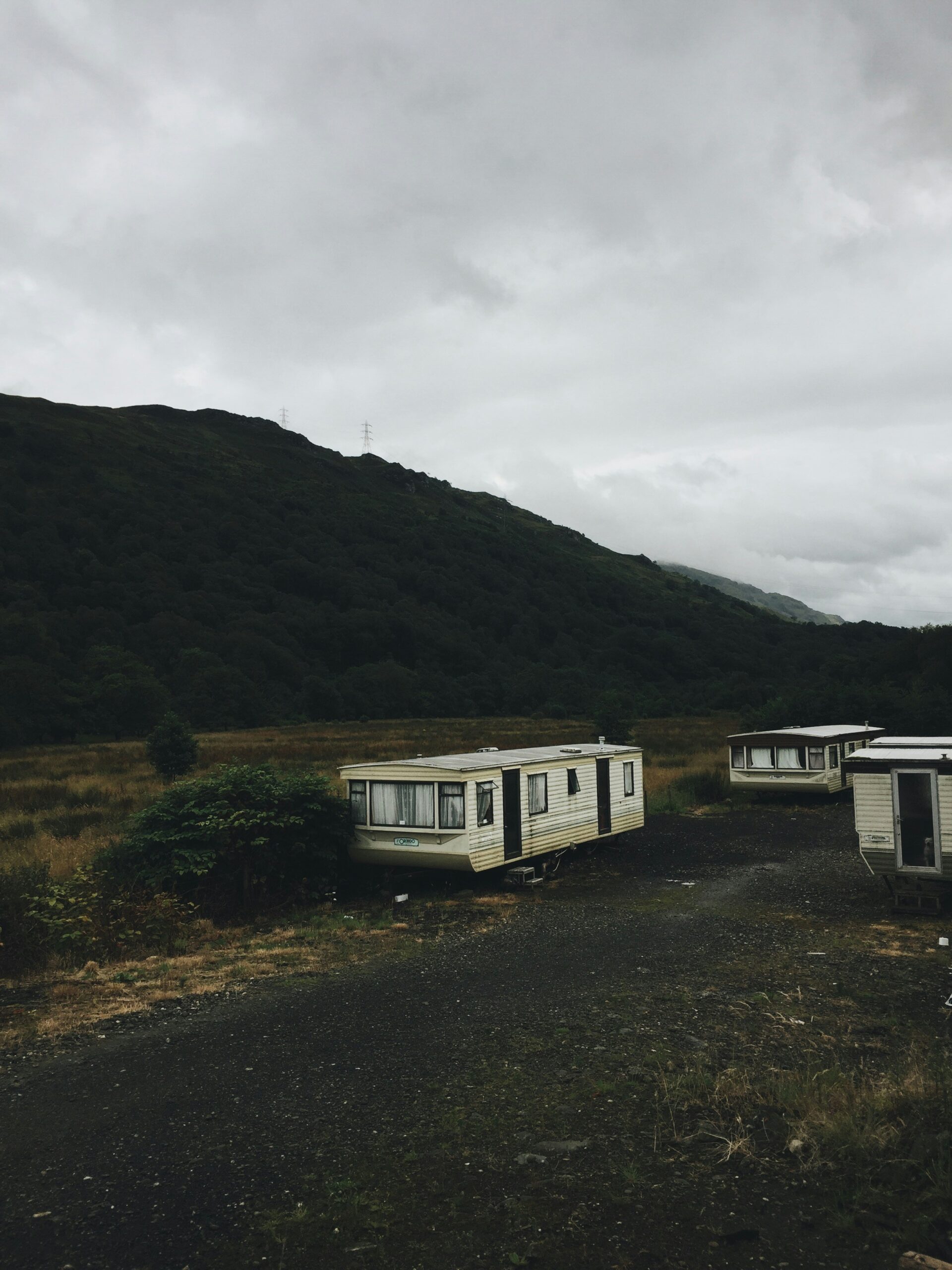
Lot rent is the monthly fee a mobile home owner pays to the park owner to lease the piece of land their home sits on. The homeowner owns the home itself and rents only the ground beneath it.
Across the U.S., lot rent usually runs about $200 to $800 a month, and it often covers things like water, trash, lawn care for the common areas, and use of the park amenities.
As someone who has invested in mobile home parks for years, I’ve seen firsthand how much lot rent can vary and what drives it.
So let me walk you through what lot rent really is, what it covers, what it costs, and, if you’re the type who’s wondering, what that monthly check looks like from the owner’s side of the table.
Don’t Miss Any Updates. Each week I’ll send you advice on how to reach financial independence with passive income from real estate.
Sign up for my newsletterWhat is Lot Rent?
Lot rent, also called site rent, land rent, or a lot lease payment, is what a resident pays each month for the right to keep their mobile home on a rented lot. Unlike a traditional home purchase, where you own both the house and the land, mobile home owners usually own only the home and pay rent for the land beneath it.
That split is what makes this such an affordable housing option, especially for retirees and families on a fixed income. You buy the home, which costs far less than a site built house, and then you pay a modest monthly amount for the land.
It’s also the heart of how a park works as a business. Our entire model when we buy a mobile home park is to convert the park owned homes to tenant owned homes. Once the residents own their homes, we have little to no maintenance to worry about and we simply collect lot rent each month.
What Does Lot Rent Cover?
The exact amount depends on the park and its amenities, but lot rent usually includes some mix of the following:
- Utility services like water, sewer, and trash, and sometimes cable or internet
- Lawn care for the common areas, including grass, trees, and landscaping
- Community amenities such as a clubhouse, pool, or fitness area in nicer parks
- Garbage collection, which is built into most monthly payments
- Infrastructure upkeep like roads, sidewalks, and lighting inside the park
Some costs may sit outside of lot rent, though. Residents sometimes pay separate HOA fees, a premium for a larger or better located lot, or utility charges when their usage runs high. The lease is where all of that gets spelled out, so it’s worth reading closely.
How Much Does Lot Rent Cost?
Lot rent swings quite a bit depending on the region, the amenities, and local demand. Higher lot rents show up in places like Central Florida, where demand for affordable housing is strong. Lower rents are easier to find in more rural parts of the country.
On average, mobile home park lot rent in the U.S. runs between $200 and $800 a month, and in high-cost housing markets it can top $1,000.
For a real-world reference point, our Louisiana parks charge somewhere between $200 and $500 a month. Annual increases are normal too, usually in the 3% to 5% range, though they can run higher when the park makes real improvements.
Here’s a quick view of how it tends to shake out.
| Area Type | Typical Monthly Lot Rent | Notes |
|---|---|---|
| Rural and lower cost regions | $200 to $400 | Usually the easiest place to find low lot rent |
| National average range | $200 to $800 | Varies widely with amenities and local demand |
| High demand metros | $800 to $1,000 and up | Strong affordable housing demand pushes rents higher |
| Our Louisiana parks | $200 to $500 | What we actually charge across our communities |
Lease Agreements and Legal Considerations
Before moving into a community, a resident signs a rental agreement that outlines the monthly fee, the park rules, and everything else both parties agree to. That written contract protects the owner and the tenant alike. A few things worth checking before you sign:
- The length of the lease, which is often month to month or yearly
- Late fees for missed or delayed payments
- Any HOA payment, since some parks have a homeowners association
- What amenities you get access to, like a pool, clubhouse, or playground
- How the park enforces its rules on things like home appearance, pets, and noise
If a resident stops paying, eviction is on the table, and disputes over rent increases or lease terms can get complicated. So if something doesn’t look right, it’s smart to get legal advice before signing.
Taxes, Fees, and Other Costs to Watch
Mobile homes are often classified as personal property rather than real property, which usually means lower property taxes. A handful of states also let mobile home residents claim part of their lot rent through a renter’s credit or similar break, though the rules are very state specific, so check with a tax pro in your area.
A few other costs can show up beyond the base lot rent:
- Septic maintenance, if it isn’t included
- Home insurance to protect your personal property
- Some utilities, when the park asks tenants to cover electricity or gas directly
- Early termination fees for breaking a lease before it ends
What Lot Rent Looks Like From the Owner’s Side
Now, here’s the part most articles on this topic skip. If you’ve read this far and a little voice is asking, “wait, who’s collecting all this rent?” let me show you the other side of the table, because that’s the side I’m on.
Lot rent is one of the most stable income streams in real estate, and the reason is simple. Once a resident sets their home on a lot, they rarely leave, because moving a mobile home can cost thousands of dollars.
So your turnover is low and your income is steady. And in a park full of tenant owned homes, the residents maintain their own homes, which means your maintenance costs stay low. You own the land, you collect the lot rent, and you skip most of the headaches that come with apartments.
Affordable housing demand keeps climbing, which gives this asset a steady tailwind, and the tax side is friendly too. The depreciation that flows through a park can create paper losses that show up on your K-1, and understanding how a K-1 loss affects your taxes is a big part of why high earners like these deals.
If you’re a busy professional, you don’t have to run a park yourself either. You can invest passively alongside operators who do, which is exactly what we do at Perdido Capital.
That is how a humble monthly lot rent check quietly becomes passive income that can help make work optional.
The Bottom Line
For a resident, lot rent is the affordable trade-off that comes with mobile home living. You own your home, you rent the land, and in exchange, you usually get a lower monthly cost than an apartment, along with some shared amenities. Just read the lease, ask about every fee up front, and know that small annual increases are part of the deal.
For an investor, that same lot rent is the engine. Low turnover, low maintenance, steady demand, and real tax advantages add up to one of the more durable income streams you can own.
Whether you’re moving into a park or thinking about owning one, lot rent is the number that matters most. If you want to see how we turn it into passive income for doctors and other professionals, come join us in the Passive Investors Circle.
This is not financial or tax advice. Always consult your own financial advisor or CPA before making any investment decisions.
Join the Passive Investors Circle