Mobile Home Park Investments: The Passive Income Secret
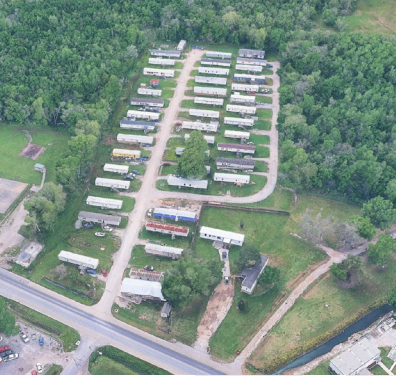
Mobile home park investments are one of the most stable sectors in commercial real estate, and almost nobody talks about them. Residents own their homes but rent the land underneath, which creates steady cash flow, low turnover, and recession-resilient demand that apartments and single-family homes can’t match.
I know because I own them. My business partner and I have bought 18+ parks together at Perdido Capital, and in this guide I’ll walk you through why this overlooked asset class deserves a spot in your investment portfolio.
Don’t Miss Any Updates. Each week I’ll send you advice on how to reach financial independence with passive income from real estate.
Sign up for my newsletterAbout ten years ago I sprained my wrist on a ski trip. At the time, my life was on cruise control, making good money as a periodontist, and that one accident made me realize just how fragile my income was. If I couldn’t use my hands, I couldn’t provide for my family.
That sent me down a rabbit hole of books, mentors, and conferences, learning how wealthy people actually build income. Eventually I met my business partner, who opened his books and showed me the numbers on mobile home parks. Nothing was a hunch. Every claim had a number behind it.
Today I sit on both sides of the table. I invest passively in other people’s deals, and I actively buy parks with my business partner. That combination is rare in this space, and it’s why I can tell you what the marketing decks leave out.
What Makes Mobile Home Park Investments Lower Risk?
Most real estate investors chase apartment complexes without understanding a fundamental difference in tenant behavior.
In most parks, the residents own their homes and pay you lot rent for the dirt underneath. Moving a manufactured home costs $5,000 to $10,000, so once a resident sets up their home, they rarely leave. That’s the engine behind the whole asset class.
How Does Low Turnover Change the Math?
Think about it like this. Apartments in many markets see 50 to 60% annual turnover. Mobile home communities average 10 to 15%, and mature parks often run below 5%.
Lower turnover means fewer vacancy periods, lower maintenance costs, and consistent cash flow you can actually plan around. And because the homes are tenant-owned, the residents handle their own repairs. You’re not replacing appliances or repainting units between tenants.
What About the “Trailer Park” Stigma?
Here’s the honest truth. Most investors see the words trailer parks and move on without doing any due diligence. That perception gap is exactly what creates the lower competition and the opportunity.
I get that look all the time when colleagues find out what I invest in. And to be honest with you, I love that reaction, because while everybody else is chasing the same apartment deals, I’m collecting steady rent checks from an asset class they never even considered.
How Does the Affordable Housing Crisis Drive Demand?
The United States has a massive shortage of housing that average workers can afford. Traditional home prices have climbed out of reach for many families, and apartment rents in a lot of markets now eat up 40 to 50% of median incomes.
Mobile home parks fill that gap. During economic downturns, demand for affordable housing options actually increases, because when people face financial pressure, they move down market, not out of housing entirely. That’s what makes the demand recession-resilient.
The demographics push the same direction. Baby boomers on fixed incomes need cost-effective housing. Younger families priced out of a traditional home need an entry point to homeownership. Both groups create growing demand for manufactured housing space.
And here’s the kicker on supply. Restrictive zoning means almost no new mobile home parks get built, so you have shrinking supply meeting growing demand. That’s a setup you won’t find in many asset classes.
What Kind of Returns Do Mobile Home Park Investments Produce?
Let me give you real numbers instead of vague promises.
How Do Cap Rates Compare?
Mobile home parks typically trade at 6 to 9% cap rates, compared to 4 to 5% for apartment complexes in similar markets. On a $2 million purchase price, a 7% cap rate delivers $140,000 in annual net operating income before debt service.
Experienced operators target 12 to 15% cash-on-cash returns in stabilized parks after financing. Small mobile home parks with below-market lot rents can deliver even more, though they take more work during the turnaround.
What Are the Tax Advantages?
This is where it gets fun for high income professionals like us. Cost segregation studies on mobile home park acquisitions often uncover significant tax benefits, because the roads, utility lines, and infrastructure depreciate much faster than a traditional building.
Those paper losses can offset a big chunk of your passive income in the early years of ownership. I wrote about how this shows up on your tax return in my article on how a K-1 loss affects your taxes, and it’s one of the main reasons doctors and dentists in my Passive Investors Circle gravitate to this asset class.
Here’s a side-by-side look at how the numbers stack up:
| Factor | Mobile Home Parks | Apartment Complexes |
|---|---|---|
| Typical Cap Rate | 6 to 9% | 4 to 5% |
| Annual Turnover | 10 to 15% (often under 5%) | 50 to 60% |
| Who Handles Home Repairs | Residents (tenant owned homes) | The owner |
| New Supply | Almost none (zoning limits) | Constant new construction |
| Demand in Downturns | Increases | Softens |
One caution I always give. Past performance doesn’t guarantee future results, and market cycles will keep turning. But the structural advantages give this asset class downside protection that most real estate sectors simply don’t have.
Join the Passive Investors CircleWhat Does Due Diligence Look Like on a Park?
This isn’t apartment investing with different terminology, and the due diligence proves it.
Water and sewer systems demand special attention. Many parks run private utilities, which means you’re buying infrastructure along with the dirt, and a failing septic system can eat hundreds of thousands in capital. My business partner walks every foot of pipe he can before we buy.
Lot rent rolls tell their own story. You want to know which homes are park owned homes versus tenant owned homes, which residents are month to month, and where lot rents sit below the market. Mom and pop owners often kept rents low for years, and that gap is usually the value add opportunity.
Zoning matters too. Some towns welcome manufactured housing and others have effectively banned it, which is exactly why so few new parks get built.
Why Are Institutional Investors Buying Mobile Home Parks?
Follow the smart money. Private equity firms have been quietly building positions in manufactured housing, and Freddie Mac now finances mobile home park acquisitions with agency debt, treating them like any other stable commercial properties.
That institutional validation has pushed purchase prices up in primary markets. But it’s also brought better financing terms and more professionalism to a niche market that mom and pop owners ran informally for decades.
The good news for investors like us is that institutions mostly chase the big parks in big markets. Small mobile home parks in secondary markets, the kind my business partner and I buy, still trade at attractive prices.
Should You Buy a Park Yourself or Invest Passively?
You have two main paths, and the right one depends on your time.
What Does Direct Ownership Require?
Buying a small park yourself takes roughly $500,000 to $2 million, plus 60 to 90 days of due diligence, plus ongoing management decisions that land on your desk. You keep all the returns, but you also own all the problems.
I want you to think about your busiest week at the office, and then imagine adding a water leak at a park three states away. For most practicing doctors and dentists, that math doesn’t work.
How Do Mobile Home Park Syndications Work?
Passive investors can join mobile home park syndications or a mobile home park fund through private placements, usually starting at $50,000 to $100,000. An experienced operator handles the acquisitions and the day to day work, and you collect distributions and the tax benefits.
A fund might own fifteen communities across different states, which spreads your risk across hundreds of lots instead of one roof. The tradeoff is giving up control and paying the sponsor fees. If you want the full picture of how these deals are structured, I broke it down in my guide to real estate syndications.
Either way, vet the operator’s track record across full market cycles, not just the recent years when everything worked.
Bottom Line
Mobile home park investments combine steady cash flow, low maintenance, significant tax benefits, and recession-resilient demand in a way few asset classes can touch. The stigma keeps competition low, and that’s your edge.
For busy professionals like us, the first step is usually passive. Partner with an experienced operator, learn the asset class from the inside, and let the lot rents do the work while you keep treating patients.
That’s how I started, and it’s a big part of my own path to work optional status. The income from the parks doesn’t depend on my hands, and after my wrist injury, that matters more to me than any return projection.
If you want to see how doctors and dentists are investing in deals like these, join the Passive Investors Circle. It’s free, and it’s where I share what my business partner and I are actually buying.
This is not financial or tax advice. Always consult your own financial advisor or CPA before making any investment decisions.
Join the Passive Investors Circle