
Investing in Mobile Homes Pros, Cons, and Why It Works
Investing in mobile homes has quietly become one of the most attractive opportunities in real estate (I currently own 15 parks in the south).
While many investors focus on traditional homes, single-family rentals, or apartment buildings, mobile home investing offers a different path—one built on affordability, strong demand, and consistent cash flow.
As housing costs continue to rise across the United States, manufactured housing has moved from a niche market into a critical part of the affordable housing conversation.
For real estate investors willing to understand the asset class, mobile home investments can provide strong returns with lower entry costs than traditional real estate.
Don’t Miss Any Updates. Each week I’ll send you advice on how to reach financial independence with passive income from real estate.
Sign up for my newsletterWhy Investing in Mobile Homes Is Gaining Attention
The demand for affordable housing has never been higher. According to data from the U.S. Census Bureau and the Manufactured Housing Institute, manufactured housing remains one of the most affordable housing options available today.
Rising interest rates, urban development pressures, and higher construction costs have pushed many buyers and renters out of traditional homes.
Mobile homes fill that gap. Whether located on private land or within housing communities, they offer lower housing costs while still meeting basic housing needs. This growing demand has drawn interest from individual investors, private equity firms, and even institutional investors looking for stable cash flow.
*As a side note, Meta is building a $25B data center 20 miles from my hometown in Louisiana. As property values have skyrocketed, it’s forced many tenants out of single-family homes. Many are looking for affordable options such as mobile homes. But the demand is much more than the supply can handle.)
Mobile Homes vs Traditional Homes
Traditional site-built homes and manufactured homes operate very differently as investments. Traditional homes typically require higher upfront capital, larger down payments, and higher property taxes.
Mobile homes often cost significantly less per square foot and can generate strong rental income relative to purchase price.
Mobile home investing also differs because the structure and the land can be owned separately.
Investors may own individual mobile homes and rent the land (we charge lot rent only, as we don’t want to deal with maintenance issues), or own the entire mobile home park and collect lot rents. Each approach has its own set of advantages and risks.
Understanding the Different Ways to Invest in Mobile Homes
There are several ways investors approach this real estate sector. Some focus on individual mobile homes, while others invest in entire mobile home parks or manufactured housing communities.
Investing in Individual Mobile Homes
Individual mobile home investing often involves purchasing a single unit, such as a single-wide or double-wide mobile home, and renting it out. These homes may be placed on private land or within trailer parks owned by someone else.
This approach can be attractive because of the lower purchase price. Investors can sometimes acquire mobile homes through Facebook Marketplace, local listings, or direct outreach to mobile homeowners. Seller financing is also more common in this niche, which can reduce the need for traditional bank loans.
However, investors must pay close attention to local zoning laws, local regulations, and tenant screening. Maintenance costs, tenant turnover, and park rules can all impact profitability.
Join the Passive Investors CircleInvesting in Mobile Home Parks
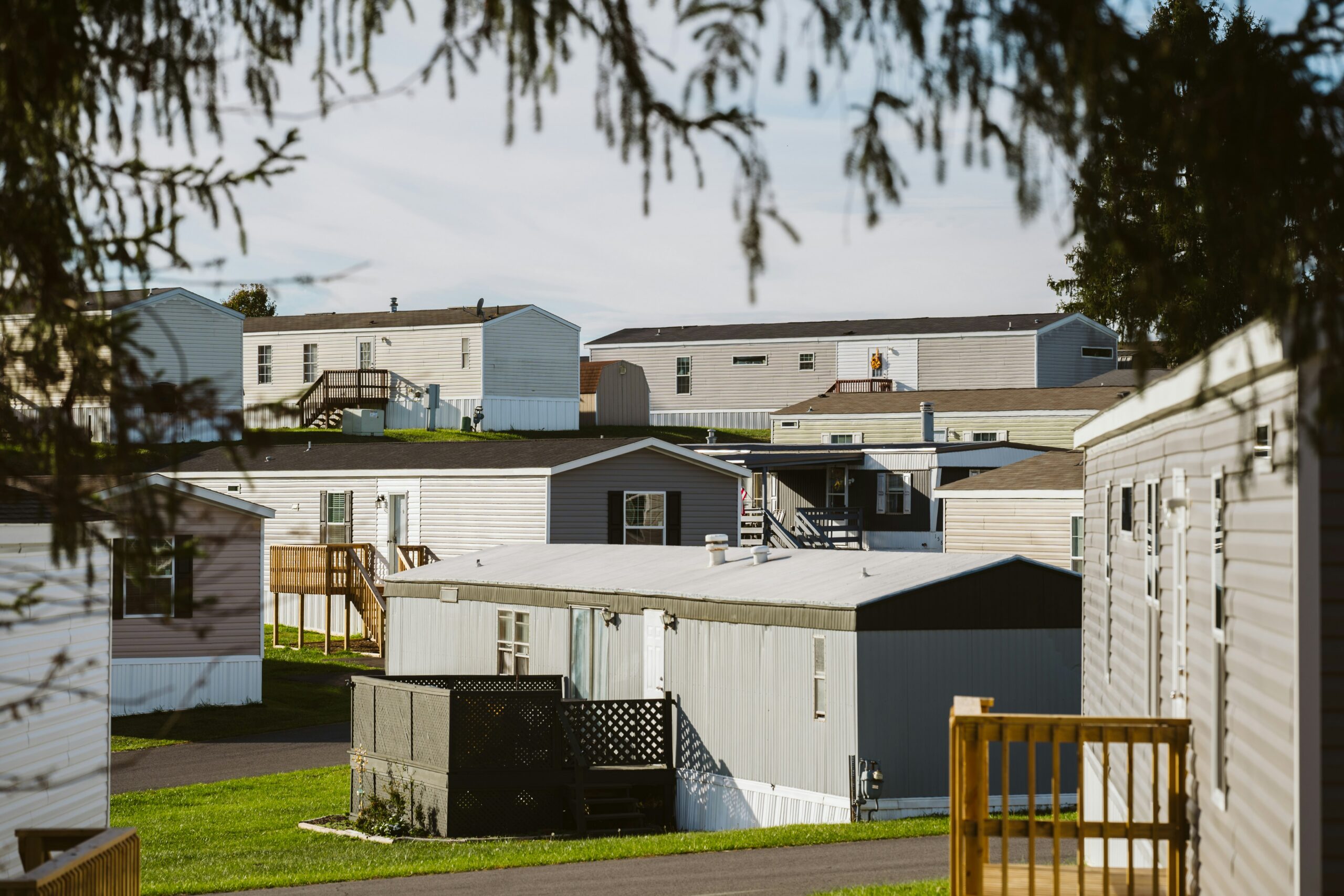
Owning an entire mobile home park is a different strategy altogether. In this model, the investor typically owns the land and rents out lots to mobile homeowners. The tenants usually own their homes, which lowers maintenance costs and increases tenant stability.
Well-managed parks often experience strong demand, low turnover, and consistent cash flow. Because moving a mobile home is expensive, residents tend to stay longer, which reduces vacancy risk.
This structure has made mobile home park owners some of the most resilient operators during economic downturns.
Why Mobile Home Parks Are Often Recession Resistant
Mobile home parks have shown long-term stability across market conditions. During periods of higher interest rates or economic uncertainty, demand for affordable housing options tends to increase. This supports occupancy and rental income even when other real estate sectors struggle.
Mobile home parks also benefit from low supply. New mobile home parks are rarely built due to zoning restrictions and local opposition. This limited supply, combined with growing demand, supports long-term value and rental growth.
Cash Flow and Returns
One of the main reasons investors are drawn to mobile home investments is cash flow. Lower acquisition prices and strong demand can lead to higher returns compared to traditional real estate.
Cash flow comes from rental income on individual units or lot rents in a park. In well-managed parks, operating expenses are often lower because tenants handle maintenance on their own homes.
This can result in strong net operating income and attractive returns over time.
Don’t Miss Any Updates. Each week I’ll send you advice on how to reach financial independence with passive income from real estate.
Sign up for my newsletterKey Due Diligence Considerations
Investing in mobile homes requires careful due diligence. This asset class has its own rules, risks, and operational challenges that investors must understand before committing capital.
Important considerations include:
-
Local zoning laws and regulations
-
Property taxes and utility structures
-
Tenant screening and park rules
-
Infrastructure condition, including roads and utilities
Skipping due diligence can turn a good investment into a costly mistake, especially in older parks or areas prone to natural disasters.
Property Management Matters More Than the Asset
In mobile home investing, management often matters more than the property itself. Poor park management can lead to higher tenant turnover, deferred maintenance, and declining property values. Strong management, on the other hand, can dramatically improve cash flow and long-term performance.
Many successful mobile home park owners focus on improving common areas, enforcing rules consistently, and building relationships with tenants. These steps help stabilize the community and protect the investment.
Mobile Homes as an Asset Class
Mobile homes sit in a unique position within the real estate market. They are often classified as personal property rather than real property, depending on how they are titled and whether they are permanently affixed to land. This distinction affects financing, taxes, and resale strategies.
Despite these differences, mobile homes remain a legitimate and growing asset class. As affordable housing options become scarcer, manufactured housing continues to play a critical role in meeting housing needs.
Institutional Interest and the Future of Mobile Home Investing
In recent years, institutional investors and private equity firms have increased their exposure to manufactured housing communities. This trend reflects the growing recognition of mobile home parks as income-producing assets with long-term stability.
While institutional interest can increase competition, it also validates the asset class and supports property values. For individual investors, this creates both opportunity and urgency to understand the market.
Risks to Be Aware Of
No investment is without risk, and mobile home investing is no exception. Local laws can change, market conditions can shift, and tenant issues can arise. Natural disasters may also pose a risk in certain regions.
That said, many of these risks can be managed through proper planning, insurance, and conservative underwriting. Understanding local market dynamics is essential before investing.
How Mobile Homes Compare to Other Real Estate Sectors
Compared to single-family homes or apartment buildings, mobile homes offer a lower cost of entry and potentially higher cash flow. Compared to RV parks, mobile home parks often offer more stable, long-term tenants.
Each real estate sector has its own set of advantages. Mobile homes stand out because they combine affordability, strong demand, and relatively low competition.
Is Investing in Mobile Homes a Good Investment?
For many investors, the answer is yes—but only if approached correctly. Mobile home investing is not a get-rich-quick strategy. It requires education, patience, and a willingness to learn a niche market.
When done well, investing in mobile homes can provide consistent cash flow, long-term value, and diversification within a real estate portfolio.
Final Thoughts
Investing in mobile homes offers a unique opportunity within the broader real estate investing landscape. As housing costs rise and affordable housing options become more scarce, manufactured housing continues to fill a critical need.
For investors willing to do proper due diligence, understand local regulations, and focus on strong management, mobile home investments can be a powerful addition to an investment portfolio. Like any investment journey, success comes from informed decisions, realistic expectations, and long-term thinking.
Join the Passive Investors Circle