
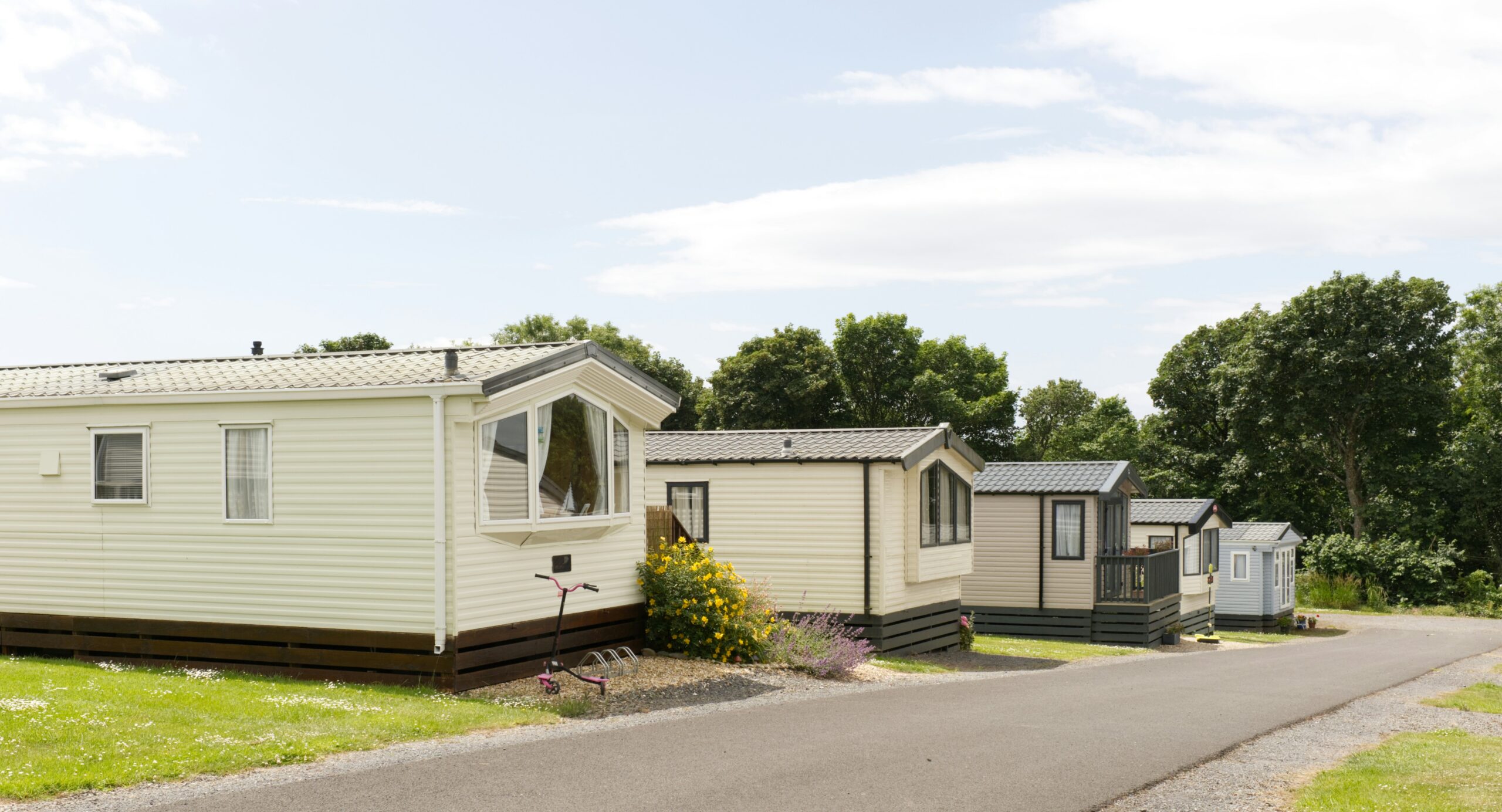
Types of Mobile Homes: What’s the Difference Between Each?
The term mobile home covers way more ground than most people realize.
What started as basic trailer homes in the mid-1900s has evolved into a sophisticated housing category with federal standards, permanent foundations, and construction quality that often matches traditional site-built homes. When I first started investing in manufactured housing through Perdido Capital, I quickly learned that lumping all these home types together was one of the most common and costly mistakes new investors make.
Yet the confusion around overlapping terms like manufactured homes, modular homes, mobile homes, and prefab homes continues to cause real problems for buyers and investors alike.
Each type follows different regulations, uses different construction methods, and offers a completely different long-term value proposition.
Here’s a closer look at what actually separates one from another.
Don’t Miss Any Updates. Each week I’ll send you advice on how to reach financial independence with passive income from real estate.
Sign up for my newsletterThe Main Types of Mobile Homes
Most conversations about mobile homes actually involve three distinct housing types that happen to be built in factory settings.
Manufactured Homes (HUD Code Homes)
Manufactured homes follow federal building codes established by the U.S. Department of Housing and Urban Development. They’re built entirely in a factory setting on a permanent steel chassis and can either stay on that steel frame or get placed on a permanent foundation.
The HUD code replaced earlier mobile home standards in 1976, creating safety standards and energy efficiency requirements that transformed the entire industry. Every manufactured home built after June 15, 1976, must display a red certification label on the exterior confirming HUD code compliance. That label is essential for financing, insurance, and resale.
Modular Homes
Modular homes are constructed in sections at a factory, then transported to the building site for assembly on a permanent foundation. The main difference that changes everything: modular homes must meet the same local building codes as traditional stick-built houses.
Once assembled, they’re classified as real property from day one. Conventional mortgages apply and appreciation rates mirror the local real estate market.
Traditional Mobile Homes
These are the older category that predates the 1976 federal standards. Traditional mobile homes are what most people picture when they hear the word “trailer”.
Built before the HUD code took effect, they often sit in mobile home parks and are classified as personal property rather than real estate.
Single-Wide vs Double-Wide Mobile Homes
Single-Wide Mobile Homes
Single-wide homes are the most common type you’ll find in mobile home communities across the United States. They’re built as one complete section in the factory, transported as a single unit, and placed on the home site.
Typical dimensions run 14 to 18 feet wide and 60 to 80 feet long, with square footage usually landing between 600 and 1,300 square feet. That’s enough space for small families or individuals looking for an affordable option without the square footage of traditional homes.
The narrower floor plan creates natural limitations. Room layouts follow predictable patterns with the living room flowing into the kitchen and bedrooms lining up along one side. Modern designs have improved considerably, but you’re still working within that 14 to 18 foot width.
From a financial standpoint, single-wide mobile homes offer a lower initial cost but often come with lower resale value and appreciation rates, particularly when they sit on rented land in mobile home parks rather than on a permanent site you own.
Double-Wide Mobile Homes
Double-wide homes change the living experience significantly. These consist of two separate sections built in the factory, transported independently, and joined together at the final location.
Total width typically ranges from 20 to 32 feet with lengths extending 40 to 80 feet, giving you 1,000 to 2,300 square feet in most configurations. The wider footprint allows for traditional room layouts with a proper dining room, bedrooms on opposite ends for privacy, and living areas that don’t feel like hallways.
Double-wide homes on permanent foundations in desirable locations can appreciate similarly to traditional houses. Land ownership, foundation type, and local market conditions are the key factors that drive long-term value.
Permanent Foundation vs Mobile Home Park Placement
The foundation question determines almost everything about a manufactured home’s long-term value and financing options.
| Factor | Mobile Home Park | Permanent Foundation |
|---|---|---|
| Land ownership | You rent the land | You own the land |
| Property classification | Personal property | Real property |
| Financing type | Chattel loans with higher interest rates | Conventional mortgages available |
| Appreciation potential | Tends to depreciate over time | Can appreciate with local market |
| Initial cost | Lower, no land purchase required | Higher, includes land and foundation |
Place a manufactured home on a concrete slab on land you own and many states allow you to retire the vehicle title and convert to a real property deed.
This opens access to better financing, potentially lower insurance rates, and the same long-term value trajectory as traditional homes in your area.
Join the Passive Investors CircleKey Differences Between All Three Home Types
| Factor | Manufactured Home | Modular Home | Traditional Site-Built |
|---|---|---|---|
| Building standards | Federal HUD code | Local building codes | Local building codes |
| Foundation | Optional permanent foundation | Always permanent | Always permanent |
| Property classification | Personal or real property | Always real property | Always real property |
| Typical financing | Chattel loans or mortgages | Conventional mortgages | Conventional mortgages |
| Cost per square foot | $45 to $85 typically | $90 to $150 typically | $120 to $200+ typically |
| Appreciation potential | Variable | Matches local market | Matches local market |
Common Misconceptions About Factory-Built Housing
Myth: All Mobile Homes Depreciate Like Vehicles
Depreciation happens primarily when manufactured homes sit on rented land without a permanent foundation. Place the same home on land you own with a concrete slab and appreciation patterns shift dramatically.
Location, maintenance, and property classification drive value changes more than construction method.
Myth: You Can’t Get a Regular Mortgage for a Manufactured Home
Manufactured homes on permanent foundations that meet specific criteria qualify for conventional mortgages, FHA loans, and VA loans.
The key requirements are land ownership, proper foundation installation, and conversion from a vehicle title to a real property deed.
Myth: Modular Homes and Manufactured Homes Are the Same Thing
These follow completely different regulatory frameworks. Modular homes meet the same local building codes as stick-built houses and are classified as real property from day one.
Manufactured homes follow the federal HUD code and may be classified as personal property depending on foundation and land ownership.
That distinction affects everything from financing to resale to long-term value.
Myth: Modern Mobile Homes Look Cheap and Dated
Modern designs from quality manufacturers include granite countertops, stainless appliances, vaulted ceilings, and contemporary finishes that mirror traditional home trends.
Walk through a current model from a reputable builder and the visual gap between manufactured and site-built has narrowed considerably.
The Bottom Line
The manufactured housing landscape has diversified into genuinely different product types serving different needs and budgets.
- Single-wide homes offer the most affordable option for individuals and small families.
- Double-wide homes provide greater flexibility, more square feet, and better long-term value potential.
- Modular homes deliver traditional home quality at a lower cost than custom site-built construction.
- Manufactured homes on permanent foundations bridge the gap between mobile home park living and traditional real estate ownership.
Understanding which type fits your specific situation, time horizon, and financial goals matters far more than accepting generic advice about entire housing categories.
If you’re exploring manufactured housing as a real estate investment opportunity, check out the Passive Investors Circle to learn how doctors and high-income professionals are building passive income through mobile home park investing.
Don’t Miss Any Updates. Each week I’ll send you advice on how to reach financial independence with passive income from real estate.
Sign up for my newsletter