
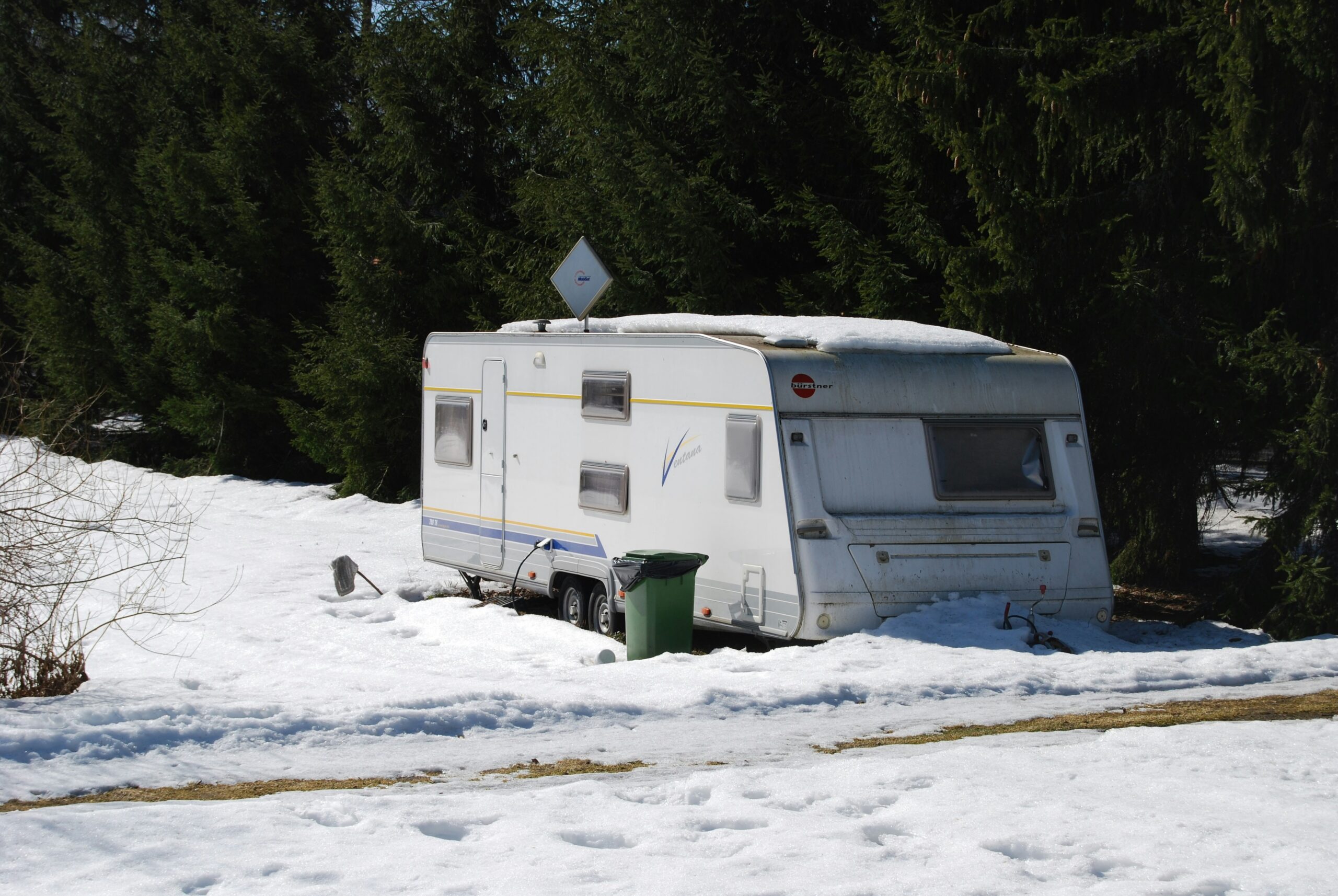

How Long Do Mobile Homes Last? Life Expectancy Explained
How long do mobile homes last?
If you’re considering a manufactured home, that’s probably your first question. With higher interest rates, rising housing costs, and limited inventory in many parts of the United States, more buyers are turning to factory-built homes as an affordable alternative to traditional homes.
But affordability only matters if the home lasts.
The truth is, modern mobile homes built to HUD Code standards can last 40 to 55 years or longer with proper care. In many cases, they perform just as well as traditional stick-built homes when installed correctly and maintained properly.
The lifespan of a mobile home depends on several key factors, including construction quality, environmental conditions, foundation type, and regular maintenance.
Let’s walk through what really determines the longevity of mobile homes in today’s housing market.
Don’t Miss Any Updates. Each week I’ll send you advice on how to reach financial independence with passive income from real estate.
Sign up for my newsletterThe Average Lifespan of a Manufactured Home
The average lifespan of a mobile home has improved dramatically over the past several decades.
Before June 1976, older mobile homes were built under inconsistent standards. That changed when the U.S. Department of Housing introduced HUD Code standards. These federal safety standards created strict requirements for:
- structural integrity
- electrical systems
- HVAC systems
- fire resistance
- wind resistance
Because of these national building code regulations, the lifespan of mobile homes built after 1976 increased significantly. Today, research from housing groups and references from the Manufactured Housing Institute show that the average lifespan of a manufactured home ranges from 40 to 55 years.
Many modern mobile homes last even longer when properly maintained.
The lifespan of modular homes and other factory-built homes can be comparable to traditional houses, especially when built with high-quality materials and installed on a permanent foundation.
Construction Quality and Materials Matter
Construction quality plays a crucial role in how long a home lasts.
Modern mobile homes are built in a factory setting under controlled conditions. That means framing, insulation, and roofing are not exposed to heavy rain or extreme temperatures during construction like many site-built houses.
Quality standards for modern mobile homes are regulated at the federal level. Meanwhile, traditional site-built homes follow local building code rules that can vary by region.
The quality of materials used in flooring, roofing, and siding directly affects structural integrity. Homes built with durable materials and proper insulation are more resistant to water damage and environmental impacts.
When evaluating floor plans and square foot size, don’t just look at layout. Look at construction materials and overall build quality.
The Foundation Is a Critical Factor
One of the biggest critical factors in determining the lifespan of your mobile home is the foundation.
Homes installed on a solid foundation or permanent foundation typically have a longer lifespan than those sitting on temporary supports. A well-designed crawl space helps reduce moisture buildup, which can cause structural issues over time.
A permanent foundation also improves resistance to high winds and severe weather. It protects against structural damage caused by shifting soil or extreme temperatures.
Foundation quality has a significant role in whether a home stands the test of time.
Environmental Conditions and Weather Impact
Environmental conditions vary widely across the United States, and they have a significant impact on the lifespan of mobile homes.
Homes may face:
• High winds
• Heavy rain
• Heavy snowfall
• Extreme temperatures
• Natural disasters
Harsh weather conditions can cause structural damage or water damage if the home is not properly maintained. For example, heavy snowfall can strain roofing systems, while repeated moisture exposure can weaken structural integrity.
Modern mobile homes built under HUD Code standards are engineered to withstand severe weather. However, regular maintenance and timely repairs are still necessary to prevent long-term damage.
Environmental factors cannot be controlled, but proper installation and right care can reduce their impact.
Maintenance: The Real Difference Maker
Regular maintenance is often the deciding factor between a 25-year lifespan and a 55-year lifespan.
Routine maintenance protects against minor issues becoming major problems. Regular inspections allow homeowners to catch potential issues before they cause significant damage.
Here are the most important maintenance habits:
• Schedule routine inspections at least twice per year
• Service HVAC systems annually
• Inspect electrical systems regularly
• Seal roof seams and check for water damage
• Maintain proper drainage around the home
Timely repairs prevent moisture buildup and structural issues. Proper care preserves the home’s lifespan more than almost any other factor.
Older Mobile Homes vs Modern Mobile Homes
Older mobile homes built before 1976 often had weaker construction materials, limited insulation, and outdated electrical systems. Because they were not built under consistent safety standards, their longevity can be shorter.
Modern mobile homes are very different.
They include improved energy efficiency, stronger framing, better insulation, and safer electrical systems. Construction quality today meets federal standards that did not exist decades ago.
Modern modular homes and other factory-built homes are also built to strict quality standards. The lifespan of modular homes is often comparable to traditional site-built homes.
If you’re comparing an older mobile home to a new home built after 1976, you’re looking at two very different products.
Comparing Mobile Homes to Traditional Houses
Many people believe traditional houses automatically last longer than manufactured housing. That assumption isn’t always true.
Traditional homes can suffer from structural issues, moisture problems, and foundation settling if not properly maintained. Traditional stick-built homes require the same routine inspections and proper maintenance as factory-built homes.
The key difference often comes down to installation and care—not the type of home.
A well-maintained manufactured home in good condition can last just as long as a standard home built on-site.
Long-Term Value and Market Perception
In today’s housing market, affordable housing options remain in high demand. Higher interest rates have pushed many buyers toward manufactured housing as a practical solution.
Long-term value depends on several factors, including location, installation type, and whether the home is classified as personal property or real estate. Homes placed on a permanent foundation and converted to real property often retain stronger long-term value.
Potential buyers should always evaluate construction quality, foundation type, and maintenance history before purchasing.
Homes in good condition with proper maintenance tend to hold value better over the long term.
Don’t Miss Any Updates. Each week I’ll send you advice on how to reach financial independence with passive income from real estate.
Sign up for my newsletterCommon Problems That Shorten Lifespan
Certain issues can shorten the lifespan of mobile homes if ignored.
Moisture buildup is one of the most common causes of long-term damage. Poor drainage around the foundation can lead to water damage and structural issues. Neglected roof leaks can cause significant damage over time.
Other potential issues include outdated HVAC systems, failing electrical systems, and poor insulation in areas exposed to extreme temperatures.
These problems are preventable with routine inspections and timely repairs.
How to Maximize the Lifespan of Your Mobile Home
If you want a longer lifespan, focus on consistency.
Ensure the home sits on a solid foundation. Conduct regular inspections. Maintain proper insulation. Address minor issues immediately. Keep HVAC systems serviced and electrical systems updated when necessary.
Proper care and proper maintenance are more important than almost anything else.
Homes that receive the right care can stand the test of time.
Bottom Line
So, how long do mobile homes last?
The average lifespan of a manufactured home built after 1976 is 40 to 55 years, and many last longer with proper maintenance. The lifespan of mobile homes depends on construction quality, foundation type, environmental conditions, and regular maintenance habits.
Modern mobile homes built under HUD Code standards are far more durable than older mobile homes. With durable materials, proper insulation, and a permanent foundation, they can perform similarly to traditional site-built homes.
In today’s housing market, manufactured housing is not just an affordable option. With the right care, it can also be a long-term one.
The real answer is simple: take care of the home, and it will take care of you—for decades.
Don’t Miss Any Updates. Each week I’ll send you advice on how to reach financial independence with passive income from real estate.
Sign up for my newsletter